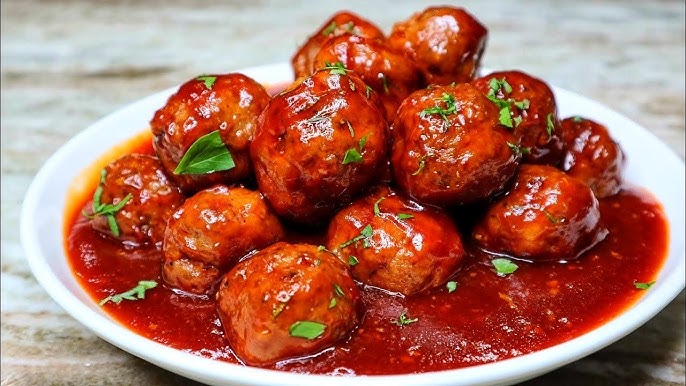
Homemade Meatball Recipe: There’s something undeniably comforting about a plate of juicy, savory meatballs. Whether they’re smothered in marinara sauce, nestled in a sub, or floating in a brothy soup, meatballs are one of those dishes that work with just about any cuisine. And the best part? Making them at home is surprisingly simple and incredibly rewarding.
Homemade meatballs blow the store-bought versions out of the water. Why? Because you control everything—flavor, texture, size, and ingredients. Store-bought options often contain fillers, preservatives, and excess sodium. But when you make them from scratch, you get nothing but fresh, real food. Plus, they can be tailored to suit any diet, from keto to gluten-free or even vegetarian with meat alternatives.
They’re also incredibly versatile. Toss them over spaghetti, stuff them into sliders, pair them with mashed potatoes, or even add them to soups and stews. However you like them, a solid homemade meatball recipe is a must-have in your culinary toolkit.
Essential Ingredients for Meatballs
Meat Options – Beef, Pork, Turkey & More
The foundation of any good meatball is, of course, the meat. But which one should you use? That depends on your taste and dietary preferences.
- Beef: Classic, juicy, and flavorful. Ground chuck is a popular choice for its balance of fat and meat.
- Pork: Adds richness and moisture. Often mixed with beef for depth.
- Turkey or Chicken: Leaner alternatives. They produce lighter meatballs but can dry out if not handled properly.
- Lamb: Earthy and robust. Common in Mediterranean-style meatballs.
- Plant-Based: For vegetarians and vegans, you can use lentils, chickpeas, or store-bought meat substitutes.
Using a combination of meats (like beef and pork) often yields the juiciest, most flavorful results. Look for meat with about 80/20 lean-to-fat ratio to keep things moist and tender.
Binding Agents – Eggs, Breadcrumbs, Cheese
These are the unsung heroes of a great meatball. Without them, your meatballs would just fall apart.
- Eggs: One or two eggs help hold everything together.
- Breadcrumbs: They soak up moisture and keep the texture light. Use fresh breadcrumbs for tenderness, or panko for a bit of crunch.
- Grated Cheese: Parmesan or pecorino adds saltiness and depth of flavor.
You can also substitute breadcrumbs with oats, crushed crackers, or even almond flour if you’re going gluten-free.
Flavor Enhancers – Herbs, Spices, Garlic, Onion
This is where your meatballs go from good to unforgettable.
- Fresh Garlic & Onion: Minced finely or grated to blend smoothly into the mix.
- Herbs: Fresh parsley, basil, oregano, or thyme work wonders.
- Spices: Black pepper, crushed red pepper, cumin, or nutmeg (just a pinch!) can elevate your meatballs to the next level.
Salt is crucial here—don’t skip it, or your meatballs will taste bland. Aim for about 1 teaspoon of salt per pound of meat.
Step-by-Step Guide to Making Meatballs
Step 1 – Preparing the Ingredients
Start by gathering all your ingredients. This makes the whole process smoother. Mince your garlic, grate the onion, chop the herbs, crack the eggs, and measure the breadcrumbs. If you’re using fresh meat straight from the fridge, let it sit out for a few minutes to come to room temperature—it blends more evenly this way.
Having everything prepped also means you’re less likely to forget something, like that all-important pinch of nutmeg.
Step 2 – Mixing the Meatball Mixture
Place your ground meat in a large mixing bowl. Add the beaten eggs, breadcrumbs, garlic, onion, herbs, cheese, salt, and pepper. Here’s a pro tip: mix with your hands. It might feel messy, but it helps combine everything without overworking the meat.
Mix just until everything is combined. Overmixing makes the meatballs dense and tough. You want the mixture to stay soft and slightly sticky, not tight and compacted.
Step 3 – Shaping the Meatballs Properly
Now comes the fun part—shaping those meatballs. Consistency is key here. You want each meatball to be roughly the same size so they cook evenly. A cookie scoop can help if you’re aiming for precision, but your hands work just as well. Wet your palms with a bit of water or oil to prevent sticking.
Aim for about 1 to 1.5 inches in diameter for classic meatballs. If you’re making them for appetizers, go smaller; for hearty mains, go bigger. Just remember, the bigger they are, the longer they’ll need to cook.
Gently roll each ball without packing it too tightly. Over-packing can lead to dense meatballs that feel heavy and chewy. The goal is a tender texture, and that starts with a light touch during shaping.
Place the shaped meatballs on a baking sheet lined with parchment paper. Give them a little space so they don’t stick together while cooking.
Step 4 – Cooking Methods (Baking, Frying, Simmering in Sauce)
You’ve got options when it comes to cooking meatballs, and each one brings something different to the table.
1. Baking:
- Preheat your oven to 400°F (200°C).
- Line a baking sheet with foil or parchment and lightly oil it.
- Bake the meatballs for about 20-25 minutes, turning them halfway through for even browning.
Baking is the healthiest option, using less oil while still giving you a beautifully browned crust.
2. Frying:
- Heat oil in a large skillet over medium-high heat.
- Cook the meatballs in batches, turning frequently until browned on all sides (about 7-10 minutes).
Frying gives a delicious crispy exterior and rich flavor. However, it’s messier and adds extra calories.
3. Simmering in Sauce:
- Gently place raw meatballs into simmering tomato sauce.
- Cook for 30-40 minutes until they’re fully cooked through and infused with flavor.
This method is perfect for soft, juicy meatballs that soak up all the goodness of your sauce. It’s often used in Italian-American dishes like spaghetti and meatballs.
Tip: You can also mix and match—fry or bake first for color and structure, then simmer in sauce to finish cooking and add flavor.
Serving Suggestions and Storage Tips
Once your meatballs are cooked, it’s time to get creative with serving. Here are some classic and fun ideas:
- Spaghetti and Marinara – The ultimate comfort food.
- Meatball Subs – Load them into hoagie rolls, top with cheese, and broil.
- Swedish Meatballs – Serve with creamy gravy and mashed potatoes.
- Asian-Style Meatballs – Glaze with teriyaki or soy-ginger sauce and serve with rice.
- Appetizers – Skewer them with a toothpick and dip in your favorite sauce.
For storing leftovers:
- Fridge: Store cooked meatballs in an airtight container for up to 4 days.
- Freezer: Freeze cooked or uncooked meatballs on a baking sheet, then transfer to a freezer bag. They’ll keep for up to 3 months.
To reheat, pop them in the oven or simmer gently in sauce until warmed through. Avoid microwaving if you can—it tends to dry them out.
Tips for Perfect Meatballs Every Time
Don’t Overmix: Once all your ingredients are in the bowl, mix just until everything is combined. Overworking the meat breaks down its proteins and makes the meatballs dense.
Add Moisture: Ingredients like milk-soaked breadcrumbs, grated onions, or even ricotta cheese add moisture and tenderness. This is especially important if you’re using lean meats like turkey or chicken.
Test First: Cook a small test meatball in a skillet before shaping the entire batch. This lets you adjust seasoning or texture before committing to the whole batch.
Keep Sizes Consistent: Whether you’re going big or small, make sure all your meatballs are the same size. This ensures they cook evenly and finish at the same time.
Let Them Rest: After cooking, let meatballs rest a few minutes before serving. This allows juices to redistribute and enhances the flavor.
FAQs about Meatball Recipe
1. Can I freeze uncooked meatballs?
Yes! Arrange the uncooked meatballs on a baking sheet and freeze until solid. Then transfer them to a freezer-safe bag or container. They’ll stay good for up to 3 months. When you’re ready to cook, you can bake or simmer them straight from the freezer—just add a few extra minutes of cook time.
2. How do I keep meatballs from falling apart?
The key is using proper binders. Eggs and breadcrumbs are your best friends here. Make sure not to overwork the mixture, and allow the meatballs to rest a few minutes before cooking so they hold their shape better.
3. What’s the best sauce for meatballs?
It depends on the style you’re going for. Classic marinara is a safe and delicious choice. For Swedish-style, a creamy gravy works wonders. You can also try BBQ, teriyaki, or curry-based sauces for something different.
4. Can I use plant-based meat substitutes?
Absolutely. Many plant-based grounds are suitable for meatballs. Just ensure you include enough binding agents and flavorings, as plant-based meats often need a little help in the taste and texture department.
5. How do I reheat meatballs without drying them out?
The best method is simmering them in sauce over low heat until warmed through. Alternatively, reheat in the oven covered with foil at 325°F for 15-20 minutes. Avoid microwaving unless absolutely necessary—it tends to make them rubbery.
Conclusion
The beauty lies in their simplicity and flexibility. You can bake them, fry them, simmer them in sauce, or even grill them. Serve them over pasta, stuff them in sandwiches, or enjoy them as appetizers. And don’t forget—they freeze wonderfully, making them a great meal prep option.
Next time you think about picking up a frozen bag from the store, try making your own instead. With this step-by-step guide, you’re well on your way to creating meatballs that are juicier, more flavorful, and 100% tailored to your liking.
So roll up your sleeves, grab that mixing bowl, and bring a little magic to your kitchen. Your taste buds will thank you!