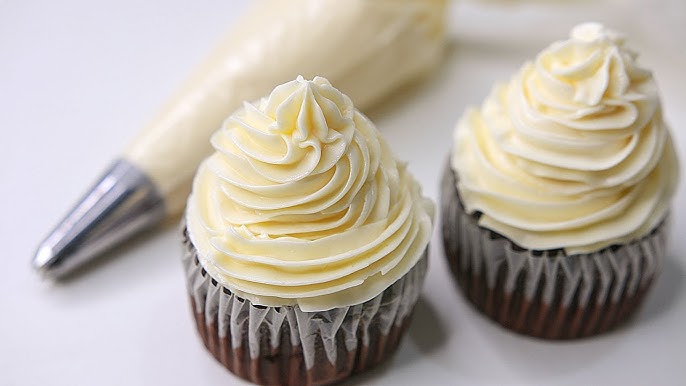
Homemade Frosting Recipe: If you’ve ever tasted homemade frosting, you know it’s a game-changer. Unlike the store-bought versions that often taste overly sweet or have an artificial flavor, homemade frosting offers a rich, creamy, and customizable alternative. Whether you’re baking a cake for a birthday or cupcakes just because, whipping up your own frosting at home adds a personal, flavorful touch that elevates your dessert.
Plus, making frosting at home allows you to control the ingredients, sweetness, and texture. It’s a lifesaver for those with dietary restrictions or anyone who simply prefers natural, preservative-free options. And the best part? It’s surprisingly simple and budget-friendly.
Basic Frosting Ingredients
Let’s talk about the core ingredients most frosting recipes rely on. The beauty of homemade frosting lies in its simplicity. With just a few staples you likely already have in your kitchen, you’re good to go.
- Butter: Usually unsalted and softened; it’s the base of most frosting recipes.
- Powdered Sugar: Also known as confectioners’ sugar, it gives the frosting its sweetness and smooth texture.
- Milk or Heavy Cream: Helps adjust consistency and adds creaminess.
- Vanilla Extract: For flavor; you can also experiment with other extracts.
- Salt (optional): A pinch enhances flavor and balances the sweetness.
Once you’ve mastered the basics, you can expand into other exciting varieties like chocolate, strawberry, or mocha frosting.
Types of Homemade Frosting
Buttercream Frosting
Buttercream is arguably the most popular type of frosting. Known for its creamy texture and versatility, it’s perfect for everything from cupcakes to layered cakes. Made primarily of butter and powdered sugar, it can be easily flavored and colored to match any dessert theme.
There are variations of buttercream like:
- American Buttercream: Sweet and simple.
- Swiss Meringue Buttercream: Silky and less sweet.
- Italian Meringue Buttercream: More stable and light in texture.
This frosting holds up well at room temperature and is a beginner-friendly favorite.
Cream Cheese Frosting
Tangy, rich, and decadent, cream cheese frosting is the ideal companion for red velvet, carrot cake, and pumpkin cupcakes. It’s made by blending cream cheese with butter and powdered sugar. The slight tartness balances the sugar perfectly, offering a sophisticated flavor profile that even frosting skeptics enjoy.
Just keep in mind that this frosting is softer than buttercream and should be kept refrigerated when not in use.
Whipped Cream Frosting
If you’re looking for something light and airy, whipped cream frosting is your best bet. Made with heavy cream, powdered sugar, and vanilla, it’s incredibly easy to make and gives your desserts a fresh, fluffy finish.
Because it’s delicate and can melt quickly, it’s best used right before serving. You can also stabilize it with gelatin or cornstarch if you want it to last longer.
Ganache Frosting
Ganache is pure decadence in frosting form. Made from just two ingredients—chocolate and heavy cream—it’s rich, glossy, and luxurious. You can use it as a glaze, spread it thick as frosting, or whip it up for a mousse-like texture.
It’s perfect for chocolate lovers and adds a gourmet feel to any dessert with minimal effort.
Step-by-Step Guide to Making Buttercream Frosting
Ingredients Needed
Here’s what you’ll need for classic American Buttercream:
- 1 cup (2 sticks) unsalted butter, softened
- 4 cups powdered sugar
- 2–4 tablespoons milk or heavy cream
- 2 teaspoons vanilla extract
- A pinch of salt
This recipe makes enough to frost 24 cupcakes or a two-layer 8-inch cake.
Instructions
- Beat the Butter: In a large bowl, beat the softened butter on medium speed until smooth and creamy, about 2-3 minutes.
- Add Sugar Gradually: Reduce the mixer speed to low and add the powdered sugar one cup at a time. Beat slowly to prevent a sugar cloud!
- Add Vanilla and Milk: Once all sugar is incorporated, add the vanilla extract and 2 tablespoons of milk. Beat on high speed for 3 minutes until fluffy.
- Adjust Consistency: Add more milk (a tablespoon at a time) if the frosting is too thick, or more sugar if it’s too thin.
- Taste and Salt: Add a pinch of salt if the frosting is too sweet.
Tips for Perfect Buttercream
- Room Temp Butter: Make sure your butter is soft, not melted. Too cold or too warm butter ruins the texture.
- Don’t Overbeat: Overmixing can make the frosting too airy and unstable.
- Sift the Sugar: For the smoothest texture, sift your powdered sugar before adding.
- Flavor It Up: Add citrus zest, cocoa powder, or flavored extracts for a twist.
Customizing Your Frosting
Adding Colors
Want to make your frosting pop? Adding color is easier than you think. Gel food coloring is your best friend—use small dots and mix thoroughly until you get your desired shade. Gel colors are more vibrant and less watery than liquid food coloring, so they won’t dilute your frosting. If you’re going for pastel shades, add a drop at a time; for bold colors, add a tad more. And don’t forget: waiting a few minutes after mixing can change the intensity slightly, so give it time before adding more. If you prefer natural options, try beet juice (pink/red), spinach powder (green), or turmeric (golden yellow). They’re gentler on flavor but add charming, earthy hues.
Flavored Variations
Once you’ve nailed the basic frosting, get creative with flavor infusions:
- Citrus Bliss: Add zest from a lemon, lime, or orange and a bit of juice for a fresh, tangy twist.
- Coffee Kick: Dissolve espresso powder in milk before stirring it in—delicious on chocolate or vanilla cakes.
- Berry Burst: Stir in pureed strawberries, raspberries, or blackberries. You might need a little extra sugar and to chill for stability.
- Spiced Delight: A pinch of cinnamon, nutmeg, or ginger turns buttercream into something cozy—great for fall treats.
- Extract Fun: Almond, peppermint, coconut, or maple extracts can all add flavorful layers—use about ¼ to ½ teaspoon depending on strength.
Storage and Usage Tips
How to Store Homemade Frosting
Need to prep ahead or save leftovers? Here’s how:
- Short-Term: Keep the frosting in an airtight container at room temperature if you’re using it within a few hours. Make sure it’s not too soft to spread.
- Refrigeration: For longer storage (up to 1 week), refrigerate. Bring it back to room temp and re-whip before using.
- Freezing: You can freeze frosting in airtight containers for up to 3 months. Thaw overnight in the fridge, then bring to room temperature and re-whip until smooth.
How to Use Frosting on Cakes and Cupcakes
Here’s a foolproof plan:
- Prep the Cake: Make sure your cake layers are completely cool. Warm cakes melt the frosting.
- Crumb Coat First: Spread a thin layer to lock in crumbs, then chill for about 15 minutes before adding the final coat.
- Even Spreading: Use an offset spatula and rotating turntable for smooth, even coverage. For cupcakes, chill briefly after frosting to set the shape.
- Decorate: Pipe colorful borders, rosettes, or sprinkles. Get playful—frosting is an easy way to show personality.
- Serve Smart: Keep frosted desserts at room temperature for 2-3 hours max, or refrigerate if it includes delicate ingredients like fruit or dairy-based frostings.
Troubleshooting Common Frosting Problems
| Problem | Cause | Solution |
|---|---|---|
| Runny frosting | Too much liquid | Add more powdered sugar or chill to thicken; re-whip to smooth texture |
| Dry & crumbly frosting | Too much sugar, not enough liquid | Add milk/cream one teaspoon at a time; re-whip |
| Grainy texture | Sugar not fully dissolved | Sift sugar before mixing; beat longer or add a splash more liquid |
| Frosting too sweet | Excessive sugar | Add salt or citrus zest; switch part sugar for cream cheese |
| Soft frosting in heat | Butter melts in warm temps | Chill frosting before decorating; use cooled cake layers |
| Off flavor | Low-quality butter or flavorings | Use high-quality butter and pure extracts |
FAQs about Frosting Recipe
1. Can I use margarine instead of butter?
Yes, but butter gives a richer flavor and better texture. Margarine can work, but may taste saltier or have a different mouthfeel.
2. How long does frosting last if left out?
Room temperature is fine for 2-3 hours. Keep it cool if using dairy or fruit-based fillings.
3. How can I stabilize whipped cream frosting?
Whisk in a teaspoon of gelatin (dissolved in warm water) or a tablespoon of cornstarch to help maintain structure.
4. Can I make frosting ahead of time?
Absolutely! Store in the fridge for up to a week or freeze for up to 3 months. Just thaw, re-whip, and you’re good to go.
5. How do I get bright neon frosting?
Use highly-pigmented gel or paste colors, start with white buttercream as a base, and mix well. Chill for best saturation.
Conclusion
There you have it: your homemade frosting recipe – a full guide from basic buttercream to custom colors, flavors, storage, and troubleshooting. With this toolkit, you’ll be whipping up perfect frosting every time—rich, smooth, and tailored to your taste. Whether you’re frosting cupcakes or stacking birthday cakes, these tips guarantee sweet and beautiful results that outshine store-bought options. Now grab your mixer, choose a flavor, and let your creativity shine—one swirl at a time.