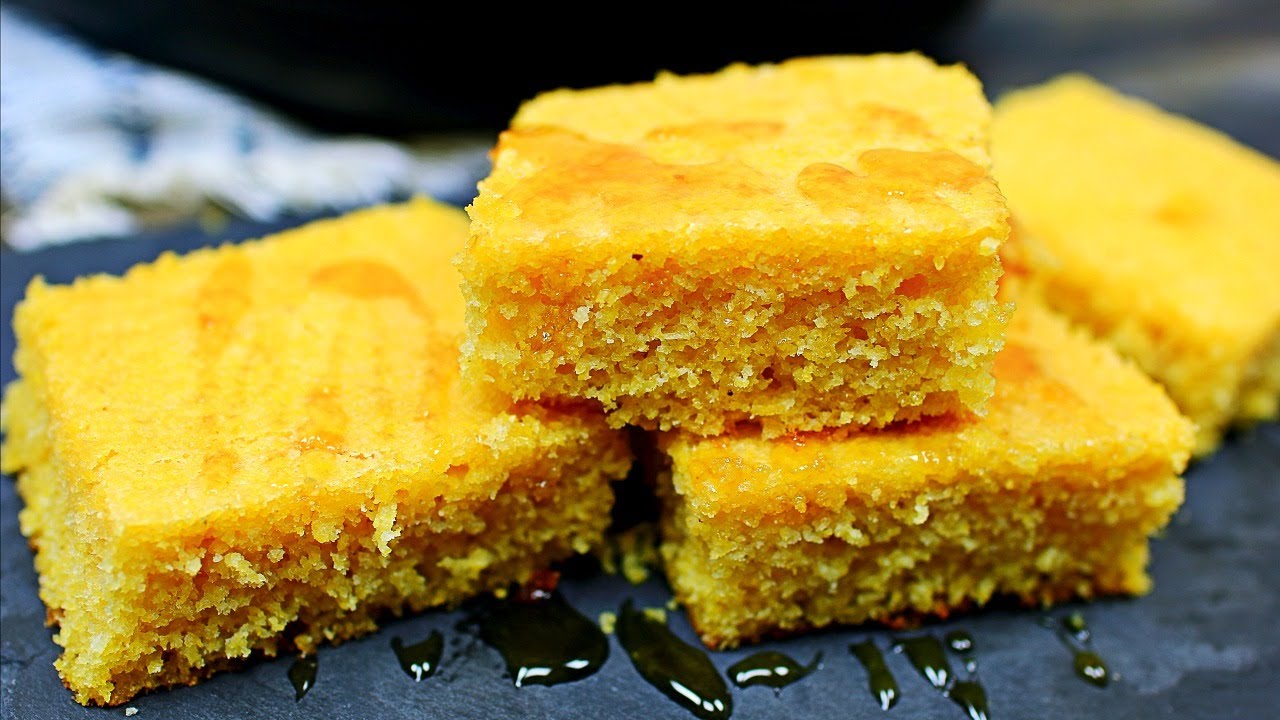
Homemade Cornbread Recipe: Nothing says comfort food like a warm slice of homemade cornbread fresh out of the oven.
Whether you’re pairing it with a bowl of chili or enjoying it on its own with a dab of butter and honey, this easy cornbread recipe is a kitchen staple you’ll come back to time and time again.
Let’s walk through the full guide—from ingredients to perfecting that golden crust.
Introduction to Cornbread
A Southern Classic with a Rich History
Cornbread has been around for centuries, rooted deeply in Native American cuisine long before it became a Southern staple. Using ground cornmeal, early settlers created variations of the bread we know today. Over time, different regions added their twist—some like it sweet, others prefer it savory. Regardless of preference, homemade cornbread is beloved for its rustic texture, golden hue, and satisfying taste that complements nearly any meal.
Why Homemade Cornbread Beats Store-Bought
Let’s be real: nothing from a box mix can touch the flavor and texture of freshly made cornbread. When you make it from scratch, you control everything—texture, sweetness, moisture, and more. Plus, you avoid preservatives and unnecessary additives. Homemade means fresher ingredients, better taste, and that unbeatable aroma that fills your kitchen as it bakes. Once you try it, you’ll never go back to store-bought again.
Ingredients You’ll Need
Pantry Staples That Make a Difference
You don’t need a mile-long list for this recipe. Cornbread keeps it simple with just a few core ingredients:
- 1 cup cornmeal (yellow for traditional, white if you prefer a lighter flavor)
- 1 cup all-purpose flour
- 1 tablespoon baking powder
- ½ teaspoon baking soda
- ½ teaspoon salt
- 2 tablespoons sugar (adjust based on how sweet you like it)
- 2 large eggs
- 1 cup buttermilk (or milk + lemon juice/vinegar as a substitute)
- ¼ cup melted butter (or vegetable oil)
These basic ingredients work together to create a moist, tender, and flavorful bread with a slightly crisp edge.
Optional Add-ins for Extra Flavor
Want to spice things up? Cornbread is incredibly customizable. Try adding:
- Shredded cheese (cheddar is a classic)
- Chopped jalapeños for a kick
- Corn kernels for texture
- Honey for a sweeter version
- Green onions or herbs for a savory touch
The possibilities are endless—don’t be afraid to get creative based on your personal taste or what’s in your fridge.
Tools and Equipment
Basic Kitchen Tools for Perfect Cornbread
You don’t need fancy gadgets to make good cornbread. Just gather:
- Mixing bowls
- Whisk or fork
- Measuring cups and spoons
- A spatula
- A baking pan or skillet
A well-prepared setup makes the process smooth and helps ensure that your cornbread bakes evenly.
Cast Iron Skillet vs. Baking Pan
There’s a bit of debate here. While a regular 8×8” baking dish will do just fine, nothing beats the crust you get from a cast iron skillet. Preheating the skillet before pouring in the batter gives the cornbread an irresistibly crispy edge and deep golden color.
However, if you’re short on time or don’t own a skillet, a baking pan still works wonderfully—you’ll just get a softer texture all around.
Step-by-Step Cornbread Recipe
Step 1: Preheat and Prepare
Start by preheating your oven to 400°F (204°C). If you’re using a cast iron skillet, pop it into the oven during this time to heat it up. This is the secret to getting that golden, crispy crust.
Lightly grease your baking dish or skillet with butter or oil—especially the sides—to prevent sticking and enhance the flavor.
Step 2: Mix the Dry Ingredients
In a large mixing bowl, whisk together:
- 1 cup cornmeal
- 1 cup all-purpose flour
- 1 tablespoon baking powder
- ½ teaspoon baking soda
- ½ teaspoon salt
- 2 tablespoons sugar
Mix well to ensure even distribution. This step is key to preventing clumps and achieving a consistent texture.
Step 3: Combine Wet Ingredients
In a separate bowl, beat the 2 eggs. Then add:
- 1 cup buttermilk
- ¼ cup melted butter (let it cool slightly before mixing to avoid scrambling the eggs)
Whisk until the mixture is smooth and well-combined.
Step 4: Combine and Pour the Batter
Slowly pour the wet mixture into the dry ingredients, stirring gently with a spatula. Mix until just combined—overmixing will make your cornbread dense and tough.
If using add-ins like cheese or jalapeños, fold them in now.
Remove the hot skillet from the oven, carefully pour in the batter, and spread it evenly. The sizzle as the batter hits the hot pan? That’s flavor in the making.
Step 5: Bake and Test for Doneness
Bake for 20–25 minutes, or until the top is golden brown and a toothpick inserted in the center comes out clean.
Let it rest for at least 10 minutes before slicing—this helps it set and improves the texture.
Tips for the Best Cornbread
Achieving Moisture and Flavor
Cornbread can easily turn out dry or crumbly if you’re not careful, but don’t worry—we’ve got some foolproof tips to ensure yours is moist and flavorful every time.
First, don’t skip the buttermilk. It adds a slight tang that balances the sweetness and helps tenderize the crumb. If you don’t have buttermilk on hand, you can make a substitute by mixing 1 tablespoon of lemon juice or white vinegar into 1 cup of milk and letting it sit for 5 minutes.
Second, don’t overmix the batter. Mix just until everything is incorporated. Overmixing develops the gluten in the flour, which leads to tough and chewy bread.
Third, watch the baking time. Every oven is different, so start checking around the 20-minute mark. A toothpick inserted into the center should come out clean or with just a few moist crumbs.
Finally, cover your cornbread with foil if it’s browning too fast but still needs more time in the oven. This prevents burning while allowing the inside to finish cooking.
Avoiding Common Mistakes
Let’s face it—everyone has a cornbread flop now and then. Here are the top blunders to avoid:
- Skipping preheated pans: Especially with cast iron, a hot pan helps form that delicious crust.
- Too much sugar or baking soda: Overdoing it can throw off the balance and make it taste bitter or too sweet.
- Using cold ingredients: Make sure your eggs and milk are at room temperature for better blending and rise.
- Using old baking powder or soda: These lose their effectiveness over time and can result in a flat, dense loaf.
Stick to fresh, high-quality ingredients and pay attention to technique—you’ll taste the difference.
Serving Suggestions
Pairing Cornbread with Main Dishes
Cornbread is the ultimate sidekick—it plays well with almost anything. Here are a few pairing ideas that bring out the best in it:
- Chili – The classic duo. Cornbread soaks up all that spicy, savory goodness.
- BBQ – Pulled pork, brisket, ribs… cornbread adds a sweet contrast that cuts through the richness.
- Soup or Stew – It’s perfect for dipping into hearty bowls of beef stew or chicken soup.
- Fried Chicken – Southern soul food at its finest when served alongside crispy fried chicken and collard greens.
Cornbread can also work as a breakfast item. Add a little butter and jam, and you’ve got a simple yet satisfying morning meal.
Creative Ways to Serve Leftovers
Got leftovers? Don’t toss them—turn them into something new and delicious:
- Cornbread Croutons – Cube and toast them for crunchy soup or salad toppings.
- Stuffing Base – Use it in place of regular bread for a twist on traditional stuffing.
- Cornbread Casserole – Mix it into casseroles with veggies and cheese for a comforting bake.
- Cornbread Pudding – Think bread pudding, but with a sweet corn twist.
Reheat slices in a skillet with a bit of butter to revive that just-baked flavor. Or enjoy it cold—it’s tasty either way.
FAQs about Cornbread Recipe
Can I make cornbread without eggs?
Yes, you can! Substitute each egg with 1 tablespoon of ground flaxseed mixed with 3 tablespoons of water, or use a store-bought egg replacer. The texture will be slightly different, but still delicious.
What type of cornmeal is best?
Go for medium or coarse ground yellow cornmeal for that classic texture and flavor. Fine-ground cornmeal will make it more cake-like, while stone-ground gives a rustic feel.
Can I freeze cornbread?
Absolutely. Let it cool completely, then wrap tightly in plastic wrap and foil. Store in the freezer for up to 3 months. To reheat, thaw and warm in the oven or microwave.
Why is my cornbread dry?
Common reasons include overbaking, too much flour, or not enough fat. Make sure to measure your ingredients accurately and check your cornbread as it nears the end of its bake time.
How do I make it sweeter?
Just add more sugar or a drizzle of honey to the batter. You can also stir in some creamed corn or applesauce for extra sweetness and moisture.
Conclusion
Making homemade cornbread is like giving your meal an instant comfort-food upgrade. It’s quick, easy, and endlessly adaptable. Whether you like it sweet, spicy, cheesy, or plain, the magic of a golden-brown slice—crispy on the outside, soft on the inside—never fails to satisfy.
By following the step-by-step guide above, you’ll master the art of cornbread in no time. So grab your mixing bowl, preheat that skillet, and let your kitchen fill with the irresistible aroma of baking cornmeal goodness. Once you try homemade, you’ll wonder why you ever settled for the box.