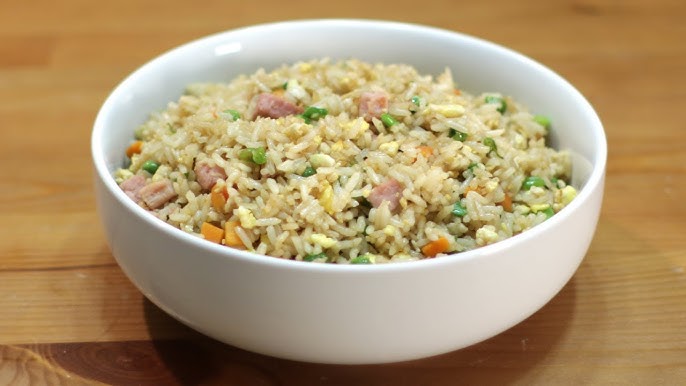
Hibachi Rice Recipe: Hibachi rice is that mouthwatering fried rice dish served up hot and sizzling at Japanese steakhouses. If you’ve ever sat around a hibachi grill watching the chef put on a fiery show, you’ve seen this flavorful rice in action. It’s packed with perfectly sautéed vegetables, savory soy sauce, buttery richness, and often topped off with egg or your favorite protein like shrimp, chicken, or steak.
The real beauty of hibachi rice lies in its simplicity and flavor. Unlike traditional Chinese fried rice, which can be loaded with spices and sauces, hibachi rice lets each ingredient shine. It’s smoky, a little salty, and full of umami. Whether you’re making it as a side or turning it into a meal, hibachi rice is always a hit.
Why You’ll Love This Recipe
There are so many reasons to fall in love with this hibachi rice recipe. First off, it’s fast and easy — you can whip it up in about 20 minutes, especially if you’ve got leftover rice sitting in the fridge. Second, it’s totally customizable. Don’t like peas? Skip them. Want to add shrimp? Go for it. You’re the chef here!
Even better, this dish is budget-friendly and perfect for meal prep. Make a big batch and enjoy it for lunch or dinner over a couple of days. It also pairs beautifully with just about any protein or sauce. Want to drizzle some yum yum sauce on top? Yes, please.
And let’s not forget the taste. Hibachi rice is savory, slightly crispy, buttery, and oh-so-satisfying. It’s a comfort food with flair — and once you try it, you’ll want it in your regular dinner rotation.
Ingredients You’ll Need
Main Ingredients
To get that classic hibachi flavor, you’ll need a few pantry staples and fresh items. Here’s your shopping list:
- Cold cooked rice (preferably day-old) – 3 cups
- Butter – 2 tablespoons
- Vegetable or canola oil – 2 tablespoons
- Soy sauce – 2 to 3 tablespoons
- Eggs – 2 large
- Garlic (minced) – 1 tablespoon
- Onion (finely chopped) – 1/2 cup
- Carrots (diced small) – 1/2 cup
- Frozen peas – 1/2 cup
- Salt and pepper to taste
- Sesame oil (optional for finishing) – 1 teaspoon
These ingredients create a balance of savory, slightly sweet, and buttery flavors. The garlic adds depth, while the carrots and peas bring a pop of color and crunch.
Optional Add-ins for Flavor Boost
Want to take your hibachi rice to the next level? Try these extras:
- Green onions – for a fresh, oniony kick
- Cooked protein (chicken, steak, shrimp) – to make it a meal
- Mushrooms or zucchini – great veggie alternatives
- Yum yum sauce or sriracha – for that restaurant-style finish
Pro tip: If you love that restaurant-style buttery flavor, try using garlic butter instead of regular butter. It’s a game-changer.
Kitchen Tools and Equipment
What You’ll Need to Cook Hibachi Rice at Home
Making hibachi rice doesn’t require any fancy equipment, but the right tools can make the job easier and the results more authentic:
- Large skillet or wok – A nonstick or stainless steel pan works, but a wok gives you that traditional sear.
- Spatula or wooden spoon – For easy flipping and stirring.
- Cutting board and sharp knife – To prep your veggies finely.
- Rice cooker (optional) – For perfectly cooked rice if you’re not using leftovers.
- Small bowl and whisk – For scrambling the eggs before cooking.
Having your tools ready before you start makes the whole process smoother. Hibachi-style cooking is fast-paced, so a little prep goes a long way.
Prepping Before Cooking
Tips for Perfectly Cooked Rice
This is a non-negotiable: for hibachi rice that’s not mushy, use day-old rice. Freshly cooked rice is too soft and sticky, making it hard to fry properly. If you’re short on time, you can cook the rice, spread it on a tray, and chill it in the fridge for an hour or two.
Here’s how to prep your rice:
- Cook white rice (jasmine or medium grain works best).
- Let it cool completely before using — this prevents clumping.
- Break up any large chunks with a fork before frying.
Bonus tip: If you want a slightly crisp edge to your rice, don’t crowd the pan. Give it space so it can fry, not steam.
Prepping Vegetables and Proteins
Hibachi cooking is all about speed, so chop everything ahead of time:
- Dice onions, carrots, and garlic finely for quick cooking.
- If using protein, make sure it’s cooked and cut into bite-sized pieces.
- Thaw frozen peas by running them under warm water for a few seconds.
Prep like a hibachi chef — lay everything out within reach. That way, you’re not scrambling mid-cook and can focus on stir-frying like a pro.
Step-by-Step Hibachi Rice Cooking Instructions
Step 1 – Cooking the Rice
The foundation of any great hibachi rice is, of course, the rice itself. If you haven’t already prepared day-old rice, now’s the time. You can cook white jasmine rice or medium-grain rice according to package instructions. Once done, spread it on a baking sheet and let it cool in the refrigerator for at least an hour. Cold rice fries better and doesn’t clump.
Using cold rice allows each grain to maintain its integrity, giving that iconic chewy texture with crispy bits. Don’t be tempted to skip this step—it’s what separates mushy rice from restaurant-quality hibachi rice.
Before you start cooking, fluff the cold rice with a fork to loosen any chunks. You want the grains separated as much as possible to achieve an even fry and get those slightly golden crispy edges.
Step 2 – Preparing the Veggies
Once your rice is ready, heat your wok or large skillet over medium-high heat. Add about one tablespoon of oil and let it get hot. Toss in the chopped onions and carrots, cooking them for about 3 to 4 minutes until they soften and become slightly caramelized. Add the garlic and sauté for another minute until fragrant.
Next, stir in your thawed peas. These don’t need much cooking—just a quick toss to warm through. At this point, your kitchen will start to smell incredible, and you’ll be tempted to dive in. But trust the process, because we’re just getting started.
Want to add mushrooms or zucchini? Add them right after the carrots, so they get enough time to soften. Don’t overcrowd the pan—cook in batches if necessary.
Step 3 – Scrambling the Eggs
Now, push the vegetables to one side of the pan or make a well in the center. Add a little more oil if needed, then pour in the whisked eggs. Let them sit undisturbed for a few seconds, then gently scramble them. Cook until they’re just set and no longer runny, then mix them in with the vegetables.
Eggs add richness and extra protein, plus that signature yellow color you often see in restaurant-style hibachi rice. If you’re vegan, feel free to skip the egg or use a plant-based alternative like crumbled tofu.
This step is super fast, so make sure you’ve already cracked and whisked your eggs before you start cooking. Timing is everything in hibachi!
Step 4 – Stir-Frying Everything Together
It’s time to bring everything together. Add the cold, fluffed rice to your pan. Pour in your soy sauce and stir well to combine all the flavors. Add the butter here—this is what gives hibachi rice that luxurious, glossy finish and incredible flavor.
Toss the rice constantly to prevent it from sticking and to evenly distribute the sauce and butter. Use a spatula to press the rice into the pan slightly so it crisps up in spots. Stir occasionally, cooking for about 5-7 minutes until everything is hot and well mixed.
Want a little smoky flavor? Turn the heat up slightly for the last minute to get those crispy rice bits—just don’t burn it. Right before removing from heat, add a splash of sesame oil if using. This adds a nutty depth that makes it irresistible.
And there you have it—a pan full of homemade, golden, buttery, restaurant-style hibachi rice.
Serving Suggestions
Pairing with Hibachi Proteins
Now that your hibachi rice is done, it’s time to serve it up with style. This dish shines on its own, but pairing it with grilled or stir-fried proteins takes it over the top. Some great options include:
- Grilled chicken – Lightly seasoned or teriyaki-style.
- Steak strips – Marinated and seared for a rich, hearty touch.
- Shrimp – Quick-cooked in garlic butter for hibachi flair.
- Tofu or tempeh – For a vegetarian-friendly meal.
You can cook your protein in the same pan before making the rice or separately to keep things simple. Serve everything family-style or plate it individually with a drizzle of sauce.
Garnishes and Sides
For that extra hibachi restaurant vibe, don’t skip the garnishes and sides. Top your rice with:
- Sliced green onions
- Sesame seeds
- Yum yum sauce or ginger sauce
- A side of grilled vegetables
- Miso soup or a small salad with ginger dressing
These touches don’t just elevate the presentation—they enhance flavor, too. Plus, they make your homemade dinner feel like a night out at your favorite Japanese steakhouse.
Storage and Reheating Tips
How to Store Leftovers
One of the best parts about making hibachi rice at home is that it stores beautifully. Whether you’ve made too much or are meal-prepping for the week, storing it properly keeps it fresh and delicious.
To store:
- Allow the rice to cool to room temperature before refrigerating.
- Transfer it to an airtight container to prevent it from drying out or absorbing other odors.
- Store in the fridge for up to 4 days.
If you want to store it for longer, you can freeze it:
- Place the cooled rice in a freezer-safe zip-top bag.
- Flatten the bag for even freezing and easy storage.
- Label with the date and freeze for up to 2 months.
When you’re ready to eat, just defrost overnight in the fridge or reheat directly from frozen using a skillet or microwave.
Reheating Without Drying Out
Reheating rice can be tricky—too dry and it turns hard, too much water and it gets mushy. Here’s how to keep that hibachi flavor and texture intact:
In the microwave:
- Sprinkle a little water over the rice.
- Cover with a damp paper towel or microwave-safe lid.
- Heat in 30-second bursts, stirring in between, until heated through.
On the stovetop:
- Heat a skillet over medium heat.
- Add a touch of oil or butter, then toss in the rice.
- Stir frequently and cook for 5–7 minutes until hot.
You can also add a splash of soy sauce or sesame oil while reheating to freshen up the flavors. Don’t forget to toss in some fresh chopped green onions for that just-cooked feel.
Common Mistakes to Avoid
Even simple dishes like hibachi rice have their pitfalls. Avoid these common mistakes to ensure your rice comes out perfect every time:
- Using fresh rice: It seems harmless, but fresh rice is too soft and sticky for frying. Always use cold, day-old rice.
- Skipping the butter: This isn’t the time to cut corners—hibachi rice gets its richness from butter. Skimping on it sacrifices flavor.
- Not prepping in advance: Stir-frying is fast. If your ingredients aren’t ready to go, you’ll fall behind and risk burning something.
- Overcrowding the pan: Too much rice or veggies in a small pan leads to steaming instead of frying. Cook in batches if needed.
- Over-saucing: It’s tempting to pour in lots of soy sauce, but too much can make the rice salty and soggy. Taste and adjust gradually.
By sidestepping these missteps, you’ll master the art of hibachi-style rice and impress everyone at your dinner table.
Customization Ideas
Make It Vegetarian
Hibachi rice is already a great meatless meal, but you can take it up a notch with plant-based protein and veggie variations:
- Add tofu – pan-fried or air-fried until crispy
- Throw in more vegetables – broccoli, snap peas, mushrooms, zucchini, or bell peppers
- Use vegetable broth-infused soy sauce for an extra depth of umami
Vegan? Skip the eggs or use a plant-based egg substitute. You can also replace butter with vegan margarine or coconut oil for a dairy-free version.
Spice It Up!
Love heat? You can easily make a spicy version of hibachi rice:
- Add sriracha or chili garlic sauce to the soy sauce mixture
- Use spicy sesame oil or drizzle chili oil before serving
- Include jalapeños or crushed red pepper flakes while sautéing vegetables
This twist gives hibachi rice a bold, fiery personality—perfect for spice lovers!
Healthier Hibachi Rice Alternatives
Looking to enjoy hibachi rice without the extra calories or carbs? No worries—you’ve got options:
- Brown rice – adds fiber and a slightly nutty taste
- Cauliflower rice – low-carb and perfect for keto diets
- Less butter, more veggies – scale back on fat and bulk up with greens
You can also reduce the soy sauce and use low-sodium versions to cut down on salt. Replace eggs with egg whites, and load up on lean protein like grilled chicken breast or shrimp.
Making healthy choices doesn’t mean sacrificing flavor. With the right tweaks, you can enjoy all the hibachi goodness while sticking to your dietary goals.
FAQs about Hibachi Rice Recipe
Q1: Can I use freshly cooked rice?
It’s not recommended. Freshly cooked rice is too moist and soft for frying. Cold, day-old rice is ideal because it holds its shape and gets crispy when stir-fried.
Q2: What oil is best for hibachi rice?
Vegetable or canola oil works well due to their high smoke points. For added flavor, finish with a drizzle of sesame oil or use garlic-infused butter.
Q3: How can I make it gluten-free?
Use gluten-free soy sauce or tamari instead of regular soy sauce. Double-check that any add-ins or sauces are certified gluten-free.
Q4: Can I make it without a wok?
Absolutely. A large nonstick skillet works just fine. Just make sure it’s big enough to let the ingredients spread out and fry properly.
Q5: What’s the difference between hibachi rice and fried rice?
Hibachi rice is typically simpler and butter-based, often made on a teppanyaki grill. Fried rice tends to have more sauces and spices and is often cooked with sesame oil and oyster sauce.
Conclusion
There’s just something magical about the sizzle, the smell, and the flavor of hibachi rice. And the best part? You don’t need a teppanyaki grill or a chef’s hat to enjoy it. With a few simple ingredients and the right steps, you can whip up a delicious, restaurant-style hibachi rice right in your kitchen.
Whether you’re making it for dinner tonight or meal prepping for the week, this recipe is guaranteed to hit the spot. It’s quick, customizable, and irresistibly tasty. Once you try it, it’ll become a regular star in your recipe rotation.
So go ahead—get your wok ready, fire up the stove, and bring the hibachi experience home.