Healthy Tuna Salad Recipe: Tuna salad is the MVP of healthy lunch options—simple, delicious, and packed with nutrition. Whether you’re looking to lose weight, eat cleaner, or just need a quick protein-packed meal, tuna salad is your go-to. It’s light yet satisfying, flavorful without being heavy, and totally customizable. Plus, it comes together in under 10 minutes with pantry staples, making it ideal for busy days.
So why is tuna salad such a hit? For starters, it’s incredibly versatile. You can toss it into a sandwich, stuff it into avocados, scoop it with crackers, or just eat it straight with a fork. And if you’re aiming to eat clean, you can easily skip the mayo and go for Greek yogurt, avocado, or a simple olive oil and lemon combo.
On the health front, tuna is a lean source of protein and omega-3 fatty acids, which are great for your heart and brain. When you mix it with fresh vegetables, herbs, and healthy fats, you’re giving your body a delicious dose of everything it needs. No wonder tuna salad has become a staple for gym-goers, meal preppers, and anyone trying to eat a little healthier without sacrificing flavor.
Key Ingredients for a Healthy Tuna Salad
Crafting a truly healthy tuna salad starts with your ingredients. You want to go beyond just tuna and mayo—this is your chance to pack in nutrients and flavor.
1. Tuna: The star of the show. Look for chunk light or solid white albacore tuna packed in water for the leanest option. It’s low in fat but high in protein, making it a great base for your salad.
2. Fresh Vegetables: This is where the color and crunch come in. Think diced celery, chopped red onion, shredded carrots, and bell peppers. Not only do they add texture, but they’re full of vitamins and antioxidants.
3. Healthy Fats: Say goodbye to heavy mayonnaise. Instead, try mashed avocado for creaminess and heart-healthy fats, or go for a dollop of Greek yogurt for added protein and tang. Olive oil with lemon juice is another light, zesty alternative.
4. Flavor Boosters: Fresh herbs like dill or parsley, a spoonful of Dijon mustard, capers, or a squeeze of lemon juice can turn a basic tuna salad into something special. Don’t forget salt and pepper to taste.
This isn’t your grandma’s tuna salad—it’s a fresh, vibrant mix that’s designed to make you feel good while tasting even better.
Choosing the Right Tuna for Your Salad
Not all tuna is created equal. If you’ve ever stood in the canned goods aisle feeling overwhelmed by options, you’re not alone. Here’s how to pick the best one for your healthy salad.
1. Albacore vs. Light Tuna: Albacore is whiter, firmer, and milder in flavor. It often comes labeled as “solid white” and has a higher mercury content. Light tuna, usually skipjack, has a softer texture, a stronger flavor, and lower mercury levels—making it the better choice for frequent eaters.
2. Oil-Packed vs. Water-Packed: If you’re watching your fat intake, go for water-packed tuna. It’s leaner and lets you control what fats you add. Oil-packed tuna is richer and more flavorful, but adds extra calories. You can drain it well and still enjoy the taste, though.
3. Sustainability Matters: Look for tuna labeled “pole-and-line caught” or certified by the Marine Stewardship Council (MSC). These options support sustainable fishing practices and help protect marine life.
4. BPA-Free Cans: If you’re concerned about chemicals leaching into your food, opt for brands that use BPA-free cans. This is especially important if you’re eating canned tuna regularly.
By choosing high-quality tuna, you’re not just making a healthier salad—you’re also supporting better environmental practices. And that’s a win-win.
Step-by-Step Tuna Salad Preparation Guide
Let’s get down to the fun part—actually making your healthy tuna salad. Here’s how to do it right from start to finish.
Step 1: Gather Your Ingredients
Before you dive in, it’s smart to line up everything you need. Here’s a quick checklist:
- 1 can (5-6 oz) of tuna, preferably light and water-packed
- 1/4 cup finely chopped red onion
- 1/4 cup diced celery
- 1/4 cup shredded carrots (optional)
- 1/2 ripe avocado or 1/4 cup Greek yogurt
- 1 tablespoon Dijon mustard
- 1 tablespoon lemon juice
- Salt and pepper to taste
- Fresh herbs (parsley or dill, optional)
Having everything prepped and ready makes the process smoother and ensures you won’t forget any flavor boosters.
Step 2: Drain and Prep the Tuna
This might seem simple, but draining your tuna properly makes a huge difference in the texture of your salad. Too much liquid can make the whole thing soggy and dilute the flavors. Open your can and press the lid down to squeeze out as much liquid as possible. If you’re using tuna in oil, you can drain most of the oil out to reduce the calorie content while still keeping a bit for added richness.
Once drained, place the tuna in a medium-sized mixing bowl and use a fork to break it up. You want it flaky, not mushy. This step sets the tone for the rest of your salad’s texture. If you’re going for a chunkier salad, don’t over-shred the tuna—leave some small bite-sized pieces intact. This creates a nice contrast when combined with the crunchy veggies and creamy base.
Optional tip: If you’re using fresh tuna (grilled or baked), let it cool completely before flaking it apart with a fork. It adds a deeper, more savory flavor and gives your salad an upscale twist.
Step 3: Chop Your Vegetables
The vegetables are the heart of your salad’s crunch and color, so don’t skimp. Wash and finely chop the red onion and celery. If you’re adding carrots or bell peppers, grate or dice them small so they blend well. Remember, you want all the pieces to be roughly the same size for even distribution and better mouthfeel.
Red onion adds a mild bite, celery brings a refreshing crunch, and carrots provide sweetness and color. You can also add cucumbers, radishes, or cherry tomatoes if you want to mix it up. If you love a kick, throw in some diced jalapeños or a dash of crushed red pepper.
Consistency is key here. Uniform pieces not only look better but help ensure that every bite has a balance of tuna, veggies, and dressing.
Step 4: Mix the Base
This is where the magic happens. Depending on your health goals and taste preferences, choose your binder—either mashed avocado, Greek yogurt, or a little of both. If you’re watching calories and fats, Greek yogurt is a great choice. If you want something more filling with a creamy texture, avocado is ideal.
In a separate small bowl, combine your base with Dijon mustard and lemon juice. Mix until smooth, then pour it over the tuna and vegetables. Stir everything together gently but thoroughly. You want a cohesive mixture that’s creamy but not soupy.
Taste and adjust. Want it tangier? Add more lemon juice. Too thick? A splash of olive oil or a teaspoon of water can thin it out without messing with the flavor. This is your salad—tweak it until it sings to your taste buds.
Step 5: Add Seasonings and Enhancements
Now it’s time to elevate your tuna salad from “just okay” to “totally crave-worthy.” Season with salt and pepper to taste, then stir in any extras that you like. Fresh dill, parsley, or chives add a pop of freshness. Capers give a briny punch. Paprika or cumin can bring warmth and depth.
If you want an extra zing, a small spoonful of relish or chopped pickles adds a sweet-sour contrast that pairs perfectly with the creamy base. A pinch of garlic powder or onion powder can deepen the flavor without overpowering the tuna.
Once you’ve mixed everything together, let the salad chill for at least 10 minutes in the fridge. This helps the flavors meld and gives it that irresistible just-made freshness when you finally dig in.
Healthy Variations of Tuna Salad
Bored with the classic version? No problem. Tuna salad is endlessly versatile. Here are a few creative takes:
1. Avocado Tuna Salad: Ditch the dairy and mayo entirely. Mash a ripe avocado with lime juice, salt, and a bit of chili powder. Mix in tuna, chopped tomatoes, red onion, and cilantro for a guac-inspired spin.
2. Mediterranean Tuna Salad: Add kalamata olives, cherry tomatoes, cucumbers, and crumbled feta cheese. Use olive oil and lemon juice as the dressing, and throw in some oregano for a bold Greek-style flavor.
3. Low-Carb Tuna Salad: Skip starchy add-ins and stick to protein and veg. Use chopped pickles, celery, and boiled eggs. Bind with a touch of olive oil or mustard instead of mayo.
4. Spicy Sriracha Tuna Salad: Add a dash of Sriracha or hot sauce to your base for a spicy kick. Mix in scallions and shredded carrots for crunch and sweetness.
With just a few swaps, you can enjoy a completely different tuna salad each week without getting bored or breaking your healthy streak.
Serving Suggestions for Tuna Salad
Tuna salad is one of those versatile dishes that fits seamlessly into breakfast, lunch, dinner, or snack time. It’s all about how you serve it. Whether you’re on the go or setting the table for a family meal, here are some tasty ways to enjoy it.
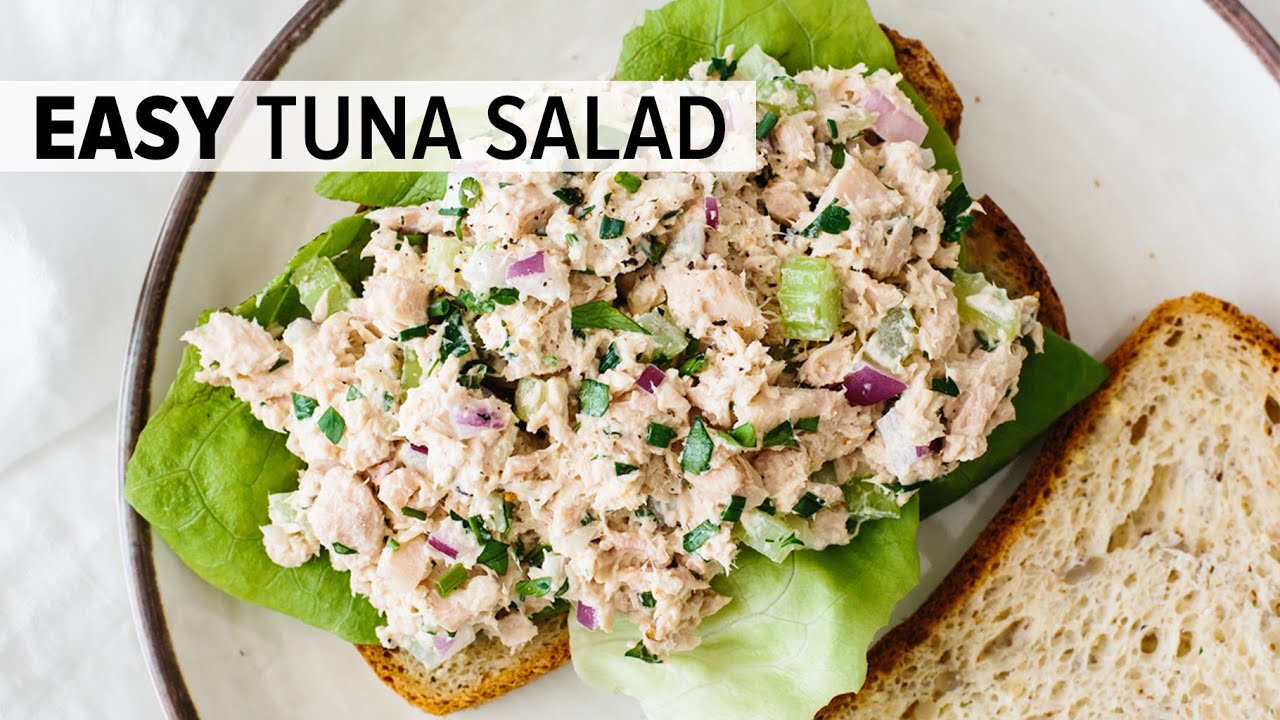
1. Classic Sandwich Style: Scoop your tuna salad between slices of whole grain or sourdough bread for a hearty, satisfying lunch. Add lettuce, tomato slices, and cucumber for a crisp, refreshing crunch. Toasting the bread adds another level of texture and warmth.
2. Lettuce Wraps: If you’re watching your carbs, swap the bread for large Romaine or butter lettuce leaves. They make perfect natural wraps and add extra fiber without extra calories. This is also a great option for those eating gluten-free.
3. Stuffed Avocados: Hollow out a ripe avocado and fill it with your tuna salad. It’s creamy, colorful, and feels fancy without any extra work. This presentation is perfect for brunches or healthy snacks.
4. On Crackers or Cucumber Rounds: Hosting guests or just need a quick snack? Spoon your salad onto whole grain crackers, rice cakes, or cucumber slices. These bite-sized snacks are crunchy, refreshing, and super satisfying.
5. Tuna Salad Bowl: Create a power bowl by serving your salad over a bed of mixed greens, quinoa, or even roasted sweet potatoes. Drizzle with olive oil or a balsamic glaze for added flair.
There’s really no wrong way to serve tuna salad. Whether you eat it warm, cold, wrapped, or scooped, it’s bound to hit the spot.
Storage Tips and Shelf Life
So you’ve made a big batch of tuna salad—what now? Knowing how to store it properly is key to keeping it fresh and safe to eat.
Refrigeration is a Must: Always store your tuna salad in an airtight container in the fridge. The ideal temperature should be at or below 40°F (4°C). This keeps bacteria at bay and your salad safe for later enjoyment.
Shelf Life: Generally, homemade tuna salad will stay good for 3 to 5 days in the fridge. If it contains dairy like Greek yogurt or mayo, lean toward the shorter side. If you’re using avocado, it may brown slightly, but the flavor will still be good for up to 2 days.
Avoid Freezing: While technically possible, freezing tuna salad isn’t recommended. The texture of the veggies and creamy base can become watery and unappetizing once thawed. If you must freeze it, stick to just the tuna and add your mix-ins fresh later.
Pro Tip: Store your tuna salad in smaller containers if you plan to take it for lunch or snacks. This avoids opening and closing the same container repeatedly, which can introduce bacteria and cause faster spoilage.
With proper storage, your tuna salad will be ready when you are—just scoop, serve, and enjoy.
Nutritional Value of Tuna Salad
Let’s break it down: what exactly are you getting from each delicious bite of tuna salad? The great news is, it’s a nutrient-packed powerhouse—especially when you build it with fresh, wholesome ingredients.
1. Protein: A single serving of tuna (about 3 ounces) packs roughly 20-25 grams of protein. This makes it excellent for muscle repair, satiety, and energy. Adding Greek yogurt boosts this number even more.
2. Healthy Fats: Using avocado or olive oil instead of mayo gives you heart-healthy monounsaturated fats. These help reduce inflammation and support brain function.
3. Vitamins and Minerals: Tuna is rich in B vitamins, especially niacin and B12, which help with energy production and brain health. The veggies add vitamins A, C, and K, as well as potassium and magnesium.
4. Low Carbs: Tuna salad is naturally low in carbs, especially if you skip the bread. This makes it keto- and diabetic-friendly.
5. Calories: The calorie count depends on your mix-ins. A traditional mayo-based salad might be 300-400 calories per serving, while a yogurt or avocado version could be closer to 200-250.
Here’s a quick nutritional table (approximate values for one serving with Greek yogurt and veggies):
| Nutrient | Amount |
|---|---|
| Calories | 220 kcal |
| Protein | 24 g |
| Carbohydrates | 6 g |
| Fats | 12 g |
| Fiber | 3 g |
| Omega-3s | 0.3 g |
Eating healthy doesn’t have to be boring—and tuna salad proves it with every tasty, nutrient-dense forkful.
Common Mistakes to Avoid When Making Tuna Salad
Making a great tuna salad isn’t rocket science, but a few small missteps can take your dish from awesome to “meh.” Here are the most common mistakes and how to avoid them:
1. Using Too Much Dressing: Whether it’s mayo, yogurt, or avocado, too much can overwhelm the tuna and make your salad soggy. Start small—you can always add more.
2. Poorly Drained Tuna: Excess water or oil in your tuna makes the whole salad watery. Drain it thoroughly before mixing to keep your salad firm and flavorful.
3. Skipping Seasonings: Tuna is mild, so it needs a little help in the flavor department. Salt, pepper, mustard, lemon juice, and herbs are your best friends.
4. Overloading on Crunch: Veggies are great—but balance is key. Too much celery or onion can overpower the tuna. Use moderate amounts to keep everything harmonious.
5. Ignoring Texture: A good tuna salad has contrast—creamy base, flaky tuna, and crisp veggies. Don’t mash everything together into a paste.
Avoid these common pitfalls, and your tuna salad will be restaurant-quality every single time.
FAQs about Tuna Salad Recipe
1. Can I use fresh tuna instead of canned?
Absolutely! Fresh grilled or baked tuna works beautifully. Just make sure to flake it into small pieces and let it cool before mixing with your other ingredients.
2. Is tuna salad good for weight loss?
Yes—especially when made with light ingredients like Greek yogurt or avocado, and served with veggies or on lettuce wraps instead of bread.
3. How long can tuna salad sit out?
Tuna salad shouldn’t sit at room temperature for more than 2 hours. In warm temperatures (above 90°F/32°C), the limit drops to 1 hour to avoid bacterial growth.
4. What are the best low-calorie mix-ins?
Celery, cucumber, tomatoes, radishes, and herbs add bulk and flavor with very few calories. Use Greek yogurt or mustard instead of mayo to lighten things up.
5. Can I make tuna salad dairy-free?
Definitely. Use mashed avocado or a simple olive oil and lemon dressing as your base. They’re creamy, flavorful, and 100% dairy-free.
Conclusion
Healthy tuna salad is more than just a quick lunch—it’s a powerhouse of flavor, nutrition, and versatility. With the right ingredients, a few smart tweaks, and some creativity, you can turn a humble can of tuna into a meal that’s light, filling, and downright delicious.
Whether you’re meal-prepping for the week, feeding a family, or just treating yourself, tuna salad has a place at the table. It’s easy to make, endlessly customizable, and a smart choice for any diet. So next time you’re in need of something healthy and satisfying, grab a can, chop some veggies, and whip up a batch of this all-time favorite.