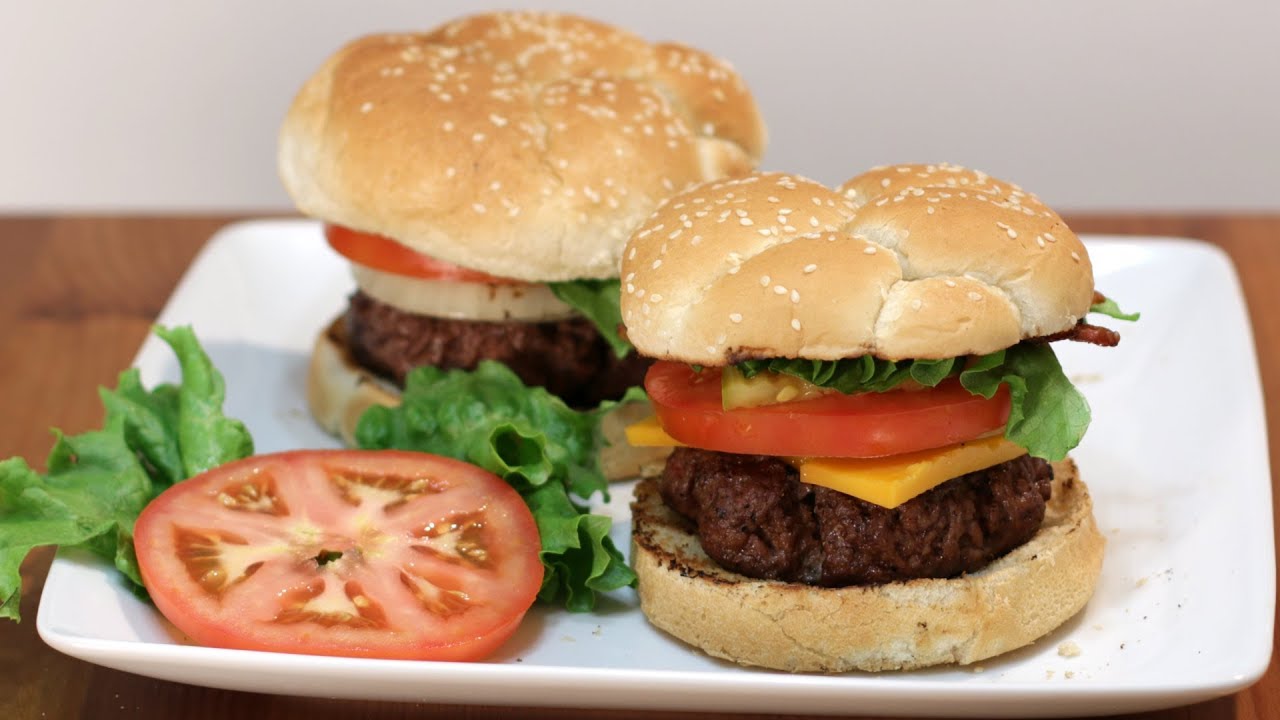
Hamburger Roll Recipe: The perfect hamburger roll isn’t just a vessel for your juicy patty; it’s a crucial part of the burger experience. A good hamburger roll needs to be soft yet sturdy enough to hold all the fillings without falling apart. It should be slightly sweet with a rich, buttery flavor, and have a golden, shiny top that gives a slight crackle when bitten into. It’s the unsung hero that complements the flavors of meat, cheese, vegetables, and sauces perfectly.
What sets a homemade hamburger roll apart is its freshness and customizability. You control the ingredients, the texture, and the size, tailoring each roll to your exact liking. Want a fluffier roll? Add an extra egg. Prefer a denser bite? Play with whole wheat flour. The possibilities are endless, and that’s what makes baking your own rolls so rewarding.
Why Homemade is Better Than Store-Bought?
Ever bit into a store-bought hamburger bun only to be disappointed by its bland taste and crumbly texture? That’s because most commercial buns are packed with preservatives and often lack the fresh, yeasty aroma that homemade ones deliver.
When you bake hamburger rolls at home, you’re using real, wholesome ingredients without additives. Plus, you get the aroma of freshly baked bread wafting through your kitchen—a smell that’s just as satisfying as the first bite.
Homemade rolls are also customizable. Want to go vegan? Swap the butter and milk. Want something fancier? Sprinkle sesame or poppy seeds on top. You become the master of your burger universe, and there’s something incredibly fulfilling about serving a burger from scratch, bun included.
Ingredients Needed for Hamburger Rolls
Basic Ingredients
Before diving into the method, let’s talk ingredients. These are the basics that form the foundation of your hamburger rolls:
- All-purpose flour – This gives the rolls structure and fluffiness. You can substitute part of it with whole wheat flour for a denser texture.
- Active dry yeast – Essential for the rolls to rise. Make sure it’s fresh for best results.
- Sugar – Just a bit to feed the yeast and add subtle sweetness.
- Salt – Balances the flavor.
- Milk – Adds richness and moisture. Warm it slightly before mixing.
- Butter – Gives the rolls a soft, tender crumb.
- Egg – Used in the dough for richness and on top for that shiny golden finish.
- Warm water – Helps activate the yeast and bring the dough together.
These ingredients come together to create that perfect blend of soft interior and slightly crispy crust we all crave in a burger bun.
Optional Add-ins and Toppings
If you want to get creative, consider the following optional ingredients:
- Sesame seeds – A classic topping for a professional touch.
- Poppy seeds – Adds a bit of crunch and visual flair.
- Garlic powder or onion powder – Infuse the dough with extra flavor.
- Cheddar cheese or herbs – Mix into the dough for a gourmet twist.
These optional additions allow you to take your hamburger rolls from simple to spectacular, depending on your taste and what kind of burger you’re crafting.
Tools and Equipment Required
Must-Have Kitchen Tools
To make the perfect hamburger rolls, you don’t need a high-tech kitchen—just a few basic tools:
- Mixing bowls – For combining and proofing your dough.
- Measuring cups and spoons – Accuracy is crucial in baking.
- Baking sheet – Line it with parchment paper or a silicone mat for easy cleanup.
- Kitchen towel or plastic wrap – For covering dough during rise times.
- Pastry brush – For brushing egg wash onto the rolls before baking.
These are likely already in your kitchen, and they’ll ensure you get a consistent and delicious result.
Optional Tools for Convenience
Some tools aren’t essential but make the process smoother:
- Stand mixer with dough hook – Saves time and energy, especially if making a big batch.
- Digital kitchen scale – For weighing dough portions to ensure even rolls.
- Bench scraper – Handy for cutting dough and keeping your workspace tidy.
- Oven thermometer – Ensures your oven is at the right temperature.
Using the right tools not only improves the outcome but also makes baking a more enjoyable and stress-free experience.
Step-by-Step Instructions to Make Hamburger Rolls
Step 1: Preparing the Dough
Start by activating your yeast. In a small bowl, mix the warm water, sugar, and active dry yeast. Let it sit for 5–10 minutes until it becomes frothy. This is a sign that your yeast is alive and ready to work its magic.
In a large mixing bowl, combine the flour, salt, and the frothy yeast mixture. Add the warm milk, softened butter, and beaten egg. Stir everything together until it starts to form a dough.
If you’re using a stand mixer, attach the dough hook and knead on medium speed for about 6-8 minutes. By hand, you’ll need to knead for 10-12 minutes until the dough is smooth, elastic, and slightly tacky but not sticky.
This step lays the foundation for your buns. Don’t rush it—the better you knead, the better the texture.
Step 2: Kneading and First Rise
Once your dough is kneaded to the right consistency—smooth and elastic—it’s time for the first rise. This process is crucial because it allows the yeast to ferment, which produces gas and causes the dough to expand. This is where all the magic starts to happen.
Place the dough into a lightly oiled bowl and cover it with a clean kitchen towel or plastic wrap. Set it in a warm, draft-free area. Depending on the temperature in your kitchen, this rise will take about 1 to 1.5 hours. The dough should double in size, so don’t rush it. Patience at this stage will reward you with incredibly fluffy hamburger rolls.
During the rise, you can preheat your oven (later) or prepare your baking sheets with parchment paper. You’ll notice how the dough becomes softer and more pliable. If your dough hasn’t risen, it could be due to expired yeast or a cold environment—move it somewhere warmer or start over with fresh yeast.
Step 3: Shaping the Rolls
Once the dough has doubled in size, gently punch it down to release the built-up gases. Then transfer it to a clean, floured surface and divide it into equal parts. For standard-sized hamburger rolls, divide into 8 pieces. If you prefer sliders, go for 10–12 smaller pieces.
Roll each piece into a smooth ball. Try to get a uniform shape by pulling the edges of the dough into the center, then flipping it over and cupping it under your hand while rolling it in a circular motion.
Place the shaped dough balls onto your prepared baking sheet, leaving about 2 inches between each. This spacing allows room for the rolls to expand without sticking together. Lightly press down each ball with your palm to flatten it just a bit—this helps create that iconic burger bun shape.
Cover the tray loosely with a towel and let the rolls proof again. This second rise should take about 45 minutes, just enough time for the rolls to puff up and become airy inside.
Step 4: Final Proof and Egg Wash
After the second rise, you’ll notice your rolls look fluffy and have expanded noticeably. This is when you prepare them for baking.
Start by preparing an egg wash by whisking together one egg with a tablespoon of water. Using a pastry brush, gently coat the tops of the buns with this egg wash. Be gentle—pressing too hard will deflate them. This step is key to getting that beautifully golden, shiny finish on your hamburger rolls.
Now’s the time to add toppings if you want. Sprinkle sesame seeds, poppy seeds, or even dried herbs over the top for a gourmet touch. These not only enhance the appearance but also add extra texture and flavor.
Let the egg-washed rolls rest for another 10–15 minutes while your oven preheats to 375°F (190°C). This final resting period ensures the yeast finishes its job, and your rolls will bake evenly and rise to perfection.
Step 5: Baking the Rolls
Bake your hamburger rolls in the preheated oven for 15 to 18 minutes, or until the tops are a rich golden brown. Oven times can vary, so start checking at the 14-minute mark. If you tap the top of a roll and it sounds hollow, it’s done.
Once baked, remove the rolls from the oven and let them cool on a wire rack. Resist the urge to cut into them right away—the steam needs to settle to give you that fluffy interior.
The smell of freshly baked buns will fill your kitchen and make it feel like a bakery. These rolls can be stored in an airtight container at room temperature for up to 3 days, or frozen for longer storage.
Tips and Tricks for the Best Hamburger Rolls
Getting the Texture Right
When it comes to hamburger rolls, texture is everything. You want a bun that’s light and fluffy on the inside, with just the right amount of chew, and a slightly firm crust that holds up under the weight of a loaded burger.
The first key to achieving that ideal texture lies in the kneading process. Proper kneading develops the gluten in the flour, which gives the rolls structure and elasticity. Under-kneading can result in dense, heavy buns, while over-kneading (especially if using a stand mixer) might toughen the dough.
The second key is in the rising time. Letting the dough rise fully—both during the first and second proofs—ensures an airy and tender crumb. If your dough is rushed or not risen enough, it won’t develop the lightness that’s essential in a perfect burger bun.
Finally, don’t skip the egg wash. It might seem like a small step, but it plays a big role in creating that golden, bakery-style crust. Brushing the tops of the buns right before baking not only gives them a lovely color but also adds a bit of extra structure on the outside, which prevents them from becoming soggy when loaded with burger juices.
Flavor Enhancements and Variations
While classic hamburger rolls are delicious as is, there’s plenty of room for creativity if you want to elevate your burger game.
- Butter-enriched dough: Want a more decadent roll? Add an extra tablespoon or two of melted butter to the dough for a richer flavor.
- Herb-infused rolls: Mix in finely chopped rosemary, thyme, or oregano into your dough for a savory twist that complements beef and veggie burgers alike.
- Cheesy buns: Incorporate shredded cheddar or parmesan directly into the dough, or sprinkle on top before baking.
- Whole wheat or multigrain: Substitute half the flour with whole wheat for a nuttier flavor and a bit more fiber.
- Sweet rolls: Add a tablespoon of honey or maple syrup for a slightly sweet bun that works especially well with barbecue-style burgers.
Toppings can be a playground too—beyond the classic sesame seeds, try poppy seeds, everything bagel seasoning, or even a light dusting of cornmeal for a rustic look and feel.
Small tweaks to the ingredients or method can create endless variations that keep your burgers exciting and personalized to your taste.
FAQs about Hamburger Roll Recipe
1. Can I make hamburger rolls ahead of time?
Absolutely! You can make them a day in advance and store them in an airtight container. For longer storage, freeze them and thaw before use.
2. How do I know if my yeast is still good?
When mixed with warm water and sugar, it should foam within 10 minutes. If not, it’s likely expired and won’t work properly.
3. Can I use whole wheat flour instead of all-purpose flour?
Yes, but substitute only about 50% to maintain a light texture. 100% whole wheat can make the buns too dense.
4. Why are my buns not rising enough?
It could be due to expired yeast, cold kitchen temperatures, or under-kneading. Ensure your dough is in a warm, draft-free spot.
5. How can I keep the rolls soft after baking?
Let them cool completely, then store in an airtight container. You can also brush them with melted butter right after baking to lock in moisture.
Conclusion
Serve your rolls warm for best results—just slice them open and give them a quick toast on the grill or in a pan before adding your patty and toppings. This brings out their buttery flavor and adds a little crispiness to the edges, making every bite even better.
Homemade buns also freeze beautifully. Make a big batch, freeze the extras, and you’ll always be ready for an impromptu burger night.
Whether you’re grilling up a classic cheeseburger, crafting a gourmet veggie burger, or building a BBQ bacon masterpiece, these hamburger rolls are the perfect base. They elevate the entire burger experience, adding that homemade touch that makes everything taste better.