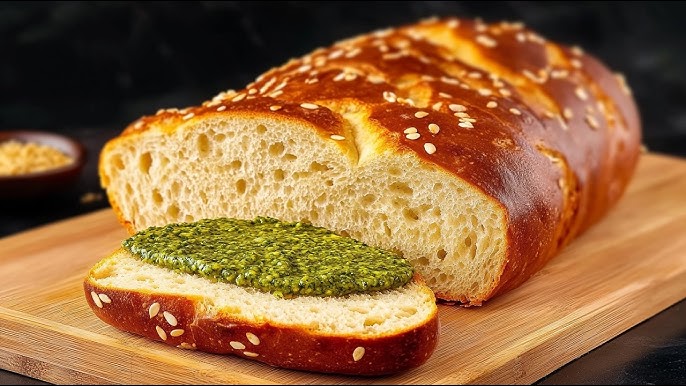
Almond Flour Bread Recipe: If you’re trying to cut carbs, avoid gluten, or just eat a little cleaner, almond flour bread is about to be your new best friend. It’s nutty, moist, tender, and totally satisfying without the bloat or the crash. Whether you’re new to baking or a seasoned pro, this recipe is simple enough to whip up in your home kitchen—no fancy techniques required.
Almond flour bread is perfect for breakfast toast, sandwich bread, or as a hearty side with soups and salads. Unlike some low-carb breads that feel dry or flavorless, this one is fluffy, moist, and filled with flavor. You won’t miss traditional wheat flour for a second.
But here’s the real magic—almond flour isn’t just a substitute, it’s a powerhouse. High in protein, low in carbs, and rich in healthy fats, almond flour makes this bread a nutritious, guilt-free choice you’ll want to make again and again.
Let’s dive into what makes this bread such a winner.
Why Choose Almond Flour?
Almond flour is made from blanched, finely ground almonds. It’s naturally gluten-free and a fantastic substitute for traditional flours. If you’re following a keto, paleo, or low-carb diet, almond flour is your go-to. Its slightly sweet, nutty flavor enhances baked goods in a way that white flour just can’t match.
Plus, it’s rich in vitamin E, magnesium, and fiber—nutrients that are often lacking in refined flour. So, you’re not just avoiding gluten; you’re adding nutrition to your plate. It’s like swapping junk food for a superfood—without compromising on taste.
Health Benefits of Almond Flour Bread
- Low Carb: Unlike traditional bread made with white or wheat flour, almond flour bread is much lower in carbohydrates, making it ideal for people on ketogenic or low-carb diets.
- Gluten-Free: Safe for people with gluten sensitivities or celiac disease.
- High in Protein & Healthy Fats: Keeps you full longer and supports energy levels throughout the day.
- Rich in Nutrients: High in vitamin E (an antioxidant), magnesium (great for muscle and nerve function), and fiber.
It’s rare to find a bread that ticks off all these boxes. You get the soft texture you love, with all the goodness your body needs.
Ingredients You’ll Need
To make almond flour bread, you don’t need a pantry full of ingredients. In fact, one of the best parts of this recipe is its simplicity. Here’s what you’ll need to get started:
Basic Ingredients Breakdown
- Almond Flour (2 cups): Make sure you use finely ground, blanched almond flour—not almond meal. Almond meal is coarser and includes the almond skins, which will affect the texture of your bread.
- Eggs (5 large): These help the bread rise and hold together. For a fluffier loaf, separate and whip the egg whites before folding them into the batter.
- Baking Powder (1 tbsp): Acts as a leavening agent to give the bread volume.
- Apple Cider Vinegar (1 tsp): Reacts with the baking powder for better lift.
- Salt (½ tsp): Enhances the flavor.
- Olive Oil (2 tbsp): Adds moisture and richness.
These ingredients are pantry staples for most people, which makes this recipe not just healthy but super convenient too.
Optional Add-ins for Extra Flavor
Want to level up your loaf? Try mixing in:
- Chopped herbs like rosemary or thyme
- A handful of shredded cheese
- Crushed garlic or garlic powder
- Sun-dried tomatoes or olives
- Seeds (chia, flax, sesame) for texture
These little tweaks can add big flavor, depending on what you’re craving or what’s in your fridge.
Tools and Equipment Required
You don’t need fancy gadgets for this bread. Just a few basic kitchen tools and you’re good to go.
Baking Essentials You Need
- Mixing Bowls: One for dry ingredients, one for wet.
- Whisk or Electric Mixer: Especially helpful if you’re whipping egg whites.
- Measuring Cups and Spoons: Precision matters in baking!
- Loaf Pan: An 8×4-inch or 9×5-inch pan works great.
- Parchment Paper: For easy removal and no sticking.
- Cooling Rack: Helps the bread cool evenly after baking.
That’s it—simple and efficient. Most of us already have these at home, which is part of what makes this recipe such a winner.
Step-by-Step Instructions for Almond Flour Bread
Now that everything is ready, let’s bring it all together and bake a loaf that’s soft, flavorful, and perfectly textured.
Step 1: Preparing Your Ingredients
Preheat your oven to 350°F (175°C). Line a loaf pan with parchment paper, leaving some overhang for easy removal.
In a large bowl, mix the dry ingredients: almond flour, baking powder, and salt. In a separate bowl, whisk together the eggs, olive oil, and apple cider vinegar until smooth.
For extra fluffiness, you can separate the eggs, whip the whites to soft peaks, and fold them in later.
Step 2: Mixing the Batter
Pour the wet ingredients into the dry ingredients. Gently mix with a spatula until just combined. Do not overmix, as almond flour can become dense.
If using whipped egg whites, gently fold them in using slow, circular motions. You can also add optional extras like herbs or shredded cheese at this stage.
The batter should be thick but spreadable. If it feels too stiff, add 1 tablespoon of water or almond milk at a time until slightly loosened.
Step 3: Baking the Bread
Transfer the batter to the prepared loaf pan and smooth the top. Tap the pan lightly to remove air bubbles.
Bake for 30–40 minutes, until the top is golden and a toothpick inserted in the center comes out clean. If the top browns too fast, loosely cover with foil.
Step 4: Cooling and Serving
Let the bread cool in the pan for 15 minutes, then lift it out and transfer to a wire rack. Cool completely before slicing to prevent crumbling.
Slice and enjoy toasted, plain, or topped with butter, avocado, or your favorite spreads.
Pro Tips for Perfect Almond Flour Bread
Even the simplest recipes can benefit from a few insider tips. Here’s how to make sure your almond flour bread comes out perfect every single time.
- Use Blanched Almond Flour: Don’t confuse it with almond meal. The finer texture of blanched almond flour is essential for a smooth, soft crumb.
- Room Temperature Ingredients: Cold eggs and oil can lead to uneven mixing. Let them sit out for 10–15 minutes before using.
- Whip Egg Whites for Lift: If you’re after an airy loaf, separate and beat the egg whites, then gently fold them into the batter.
- Line the Pan: Parchment paper is your best friend here. It prevents sticking and makes cleanup a breeze.
- Let It Cool Fully: Patience pays off. Warm bread may fall apart when sliced.
Common Mistakes to Avoid
- Overmixing the Batter: This leads to a dense, heavy loaf.
- Skipping the Vinegar: It might seem odd, but it reacts with baking powder for a better rise.
- Incorrect Flour Type: Always use finely ground, blanched almond flour—not almond meal.
- Not Measuring Accurately: Baking is science. Use measuring cups and spoons for best results.
Stick to these tips and you’ll master almond flour bread in no time.
How to Store and Freeze Almond Flour Bread
One of the best things about almond flour bread is how well it stores—whether you’re planning to eat it throughout the week or freeze it for later. With just a little care, your bread will stay fresh, flavorful, and ready to enjoy anytime.
Best Practices for Long-Term Freshness
Room Temperature Storage: If you plan on eating the bread within 2–3 days, it’s totally fine to leave it at room temperature. Just make sure it’s stored in an airtight container or wrapped tightly in plastic wrap to prevent drying out.
- Pro Tip: Store it in a cool, dry place—avoid warm or humid areas to prevent mold.
Refrigerator Storage: To keep it fresh for up to a week, place the loaf or slices in a sealed container or zip-top bag and store it in the fridge. The bread’s texture will remain moist, and the flavor holds up well.
Freezing Instructions:
- Slice the loaf before freezing. This makes it easier to grab a single slice or two when needed.
- Wrap each slice individually in plastic wrap, then place them all in a freezer-safe bag or airtight container.
- Label it with the date—you can keep almond flour bread in the freezer for up to 3 months.
To thaw, just let a slice sit at room temperature for 10–15 minutes or pop it in the toaster straight from the freezer.
This flexibility means you can bake in bulk and always have a healthy, gluten-free option ready to go.
Variations and Substitutions
Almond flour bread is endlessly adaptable. Whether you have dietary restrictions or simply want to change up the flavor, here are some ideas to customize your loaf:
Keto-Friendly and Dairy-Free Options
Keto Modifications:
- This bread is already low-carb and keto-friendly, but you can make it even more macro-conscious by using only egg whites (to lower the fat content slightly) or adding in low-carb seeds like chia or flax.
Dairy-Free Substitutions:
- Swap olive oil for melted coconut oil or avocado oil.
- If your recipe includes cheese or butter (in savory variations), use dairy-free cheese or a plant-based butter alternative.
Add-ins and Mix-ins:
- For a sweet version, add a tablespoon of honey or maple syrup (if you’re not strictly keto), some cinnamon, and a handful of chopped nuts or berries.
- For a savory loaf, stir in grated cheese, diced jalapeños, sun-dried tomatoes, or olives.
Don’t be afraid to experiment. The almond flour base is super forgiving and holds up to bold flavors beautifully.
Nutritional Breakdown
Here’s a general idea of what you get nutritionally in one slice of almond flour bread (assuming the loaf is cut into 10 equal slices):
| Nutrient | Per Slice (approx.) |
|---|---|
| Calories | 160–180 kcal |
| Carbohydrates | 2–3g (net carbs) |
| Protein | 6–7g |
| Fat | 14g |
| Fiber | 2g |
| Sugar | 0–1g |
| Gluten | 0g |
These numbers can vary depending on the exact ingredients and add-ins, but overall, you’re looking at a bread that’s rich in protein and healthy fats with very low net carbs. Ideal for anyone on a keto or low-carb diet, or just looking to make more mindful food choices.
FAQs about Almond Flour Bread Recipe
1. Can I use almond meal instead of almond flour?
No, almond meal has a coarser texture and includes the almond skins, which can make the bread denser and grainier. Always use finely ground, blanched almond flour for best results.
2. How do I make the bread rise more?
Separate and beat the egg whites until fluffy, then fold them into the batter gently. Also, make sure your baking powder is fresh and active.
3. Why does my almond flour bread fall apart when sliced?
This usually happens when it hasn’t cooled completely. Let the bread sit for at least 45 minutes before slicing to help it set properly.
4. Can I add yeast for extra rise?
Yeast doesn’t work as effectively in almond flour bread due to the lack of gluten. Stick with baking powder or soda and vinegar for leavening.
5. Is almond flour bread freezer-friendly?
Absolutely! Slice the bread, wrap each piece individually, and store them in a freezer-safe bag. It’ll last up to 3 months.
Final Thoughts
Almond flour bread is proof that healthy eating doesn’t have to mean giving up the things you love—like bread. It’s simple to make, endlessly versatile, and packed with nutrients that your body will thank you for.
Whether you’re new to baking or looking for a nutritious upgrade to your favorite sandwich, this recipe is a keeper. And once you try it, you’ll see why almond flour bread is such a staple in gluten-free, low-carb, and health-conscious kitchens around the world.
So grab your mixing bowl, preheat that oven, and get baking. Your taste buds—and your body—will be glad you did.